
Future of Ecommerce: UX Trends Driving Online Sales
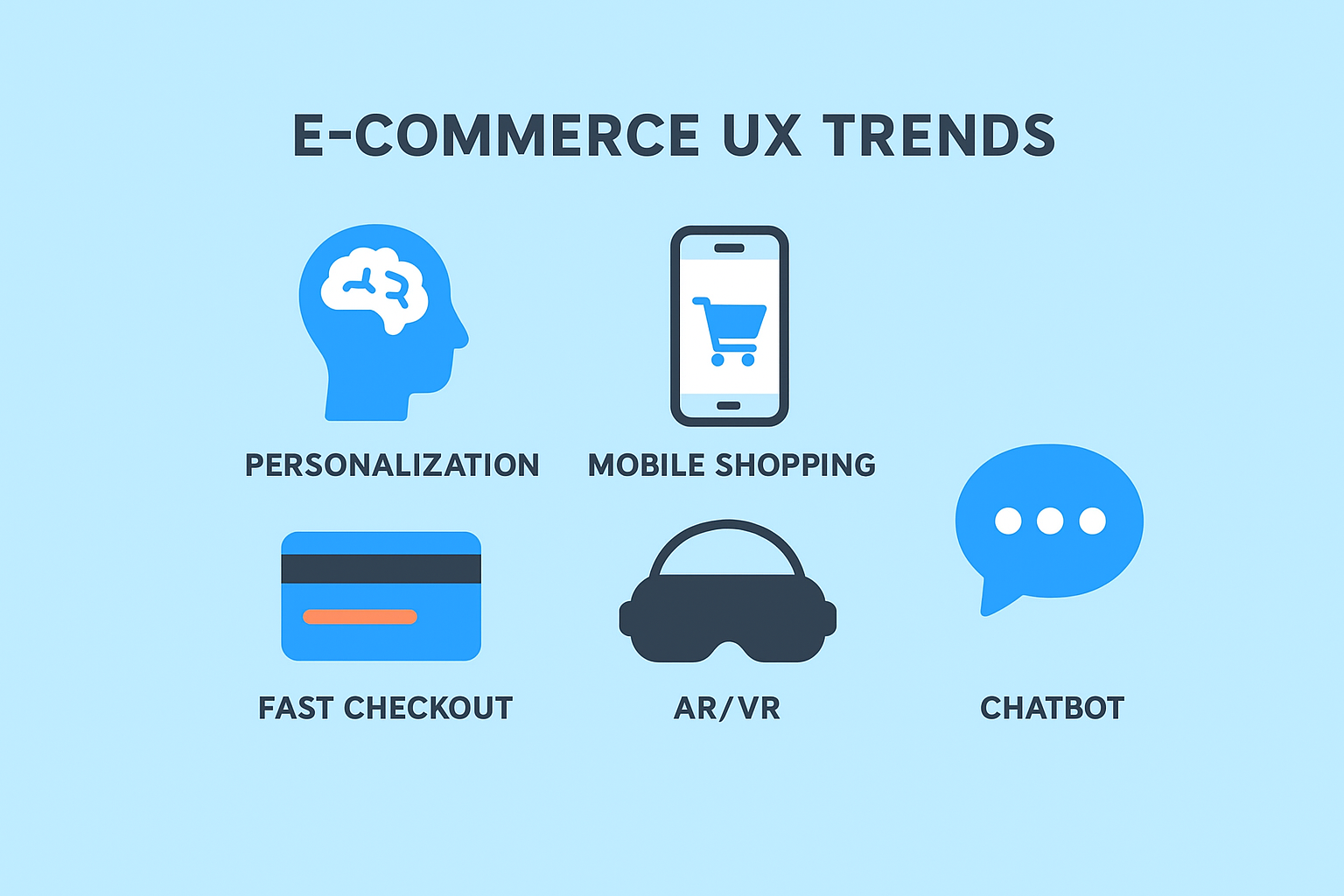
Ecommerce is no longer just about having an online store—it’s about creating a shopping experience that feels seamless, personal, and intuitive. Today’s shoppers expect brands to anticipate their needs, minimize friction at checkout, and deliver a level of personalization that rivals in-person shopping. With AI-driven recommendations, mobile-first designs, and one-click payment systems, the future of ecommerce is being shaped by user experience (UX) trends that put the customer at the center. Businesses that fail to adapt risk losing customers to competitors who deliver faster, smarter, and more engaging experiences. In this blog, we’ll explore the key UX trends that are driving online sales, why they matter, and how you can leverage them to stay ahead in the digital marketplace.
1. Personalization Through AI
Consumers crave experiences tailored to them. AI-driven product recommendations, dynamic content, and personalized marketing messages make shopping feel relevant and engaging. Brands like Amazon and Netflix have set the gold standard for personalization, and ecommerce businesses of all sizes are now expected to follow suit.
2. Seamless, Frictionless Checkouts
Cart abandonment remains one of ecommerce’s biggest challenges. Simplifying the checkout process with guest checkout options, digital wallets (Apple Pay, Google Pay), and one-click purchases drastically improves conversion rates. A smooth checkout can make the difference between a lost sale and a loyal customer.
3. Mobile-First Shopping Experiences
With mobile commerce continuing to rise, optimizing sites for thumb-friendly navigation, responsive design, and fast loading times is essential. Users should be able to shop effortlessly on any device, with mobile features designed as the primary—not secondary—experience.
4. Conversational Commerce & Chatbots
Chatbots and AI-powered assistants help customers find products, answer questions, and even complete transactions in real time. This conversational layer makes shopping more interactive and reduces barriers to purchase.
5. AR and VR Experiences
Augmented and virtual reality allow customers to “try before they buy.” Whether it’s placing virtual furniture in a living room or trying on glasses through an app, AR and VR create confidence in purchases and reduce returns.
6. Voice Commerce Integration
As smart speakers and voice assistants grow in popularity, more shoppers are using voice commands to browse and order products. Optimizing your ecommerce site for voice search ensures you’re ready for this growing trend.
7. Ethical & Accessible Design
Inclusivity and accessibility aren’t just good practice—they’re essential. Designing ecommerce experiences that everyone can use (from clear typography to assistive technology support) builds trust and broadens your customer base.
The future of ecommerce lies in putting user experience at the heart of every decision. From personalized recommendations to frictionless checkout and immersive AR shopping, UX trends are shaping how consumers interact with brands online. By embracing these innovations today, you’re not just staying ahead—you’re building loyalty and driving long-term sales growth.